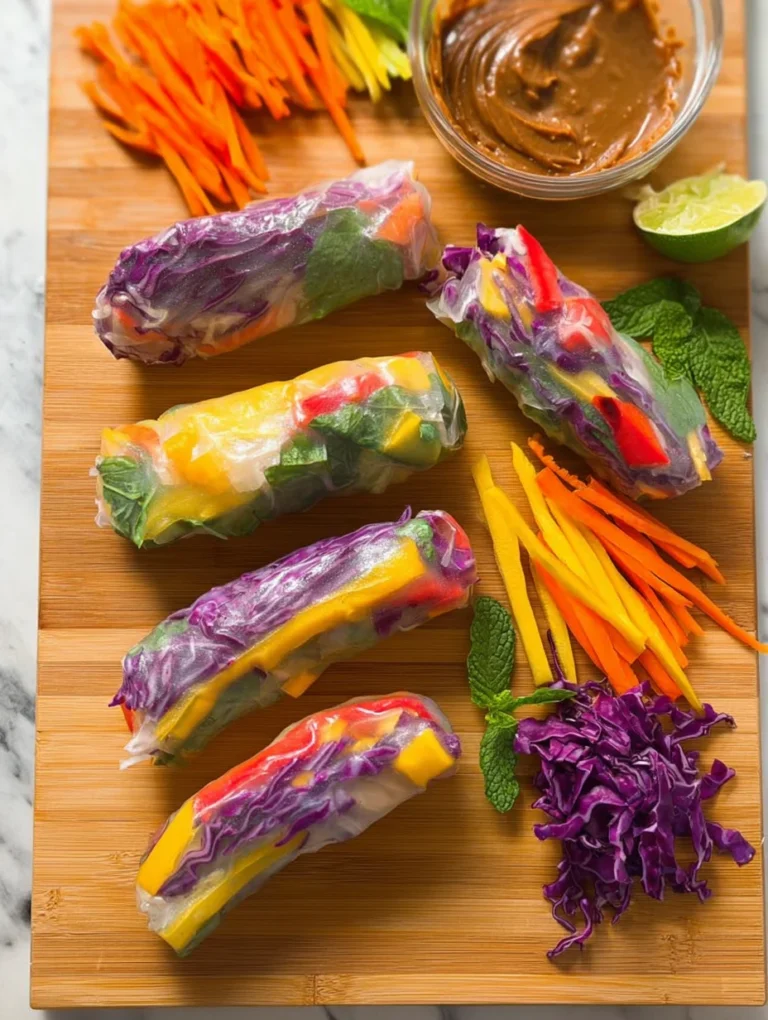
Fresh Spring Rolls with Peanut Sauce
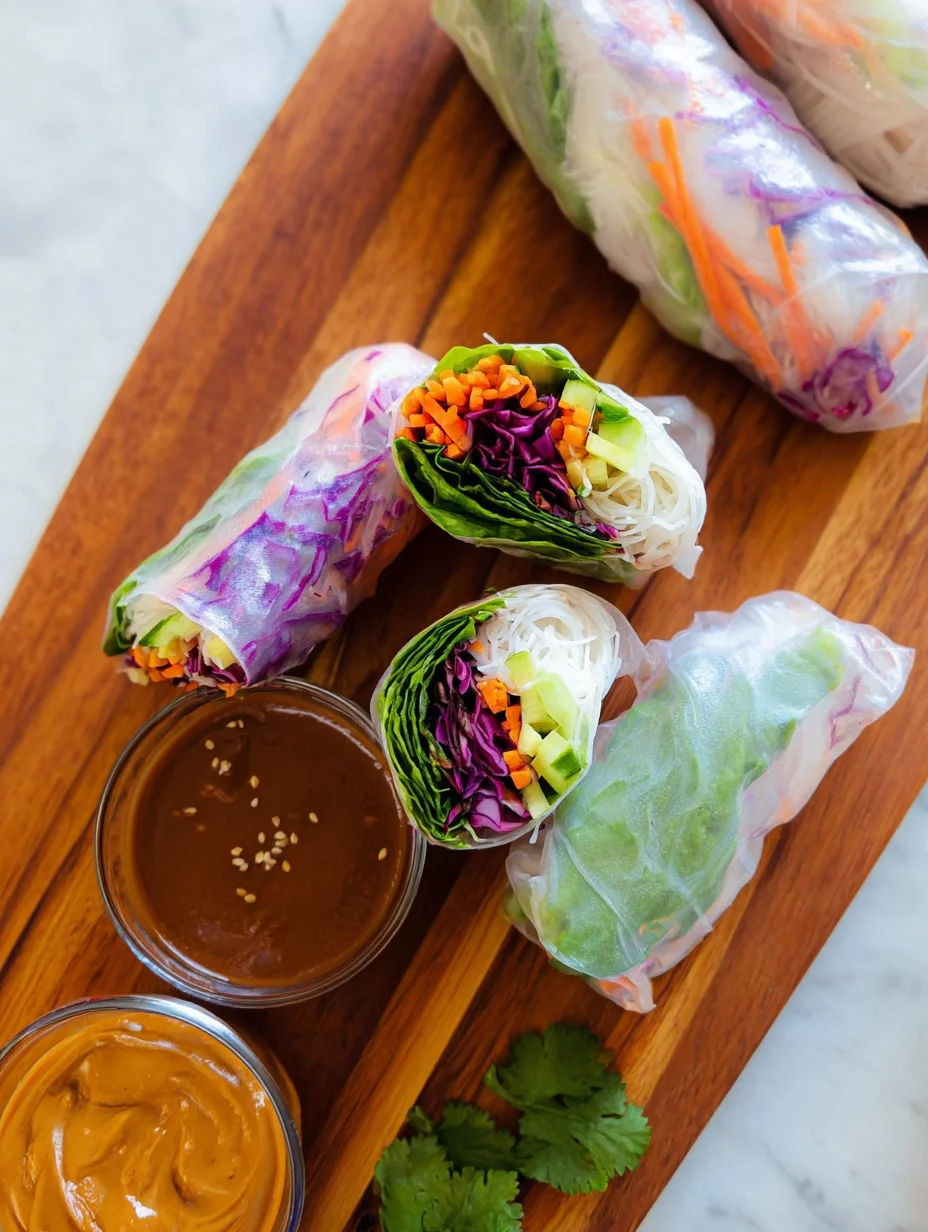
There’s something truly magical about biting into fresh spring rolls on a warm afternoon, isn’t there? These vibrant, crunchy bites have been my go-to whenever I crave something light yet satisfying, especially during the summer months when heavy meals just don’t appeal. I’ve made countless batches of fresh spring rolls over the years, experimenting with fillings to suit whatever’s in season, and let me tell you, they’re easier to prepare than you might think. In this article, I’ll walk you through my favorite way to whip up homemade fresh spring rolls that burst with flavor and color—perfect for impressing friends or treating yourself after a long day.
What I love most about fresh spring rolls is how they bring a taste of Southeast Asia right into your kitchen without any frying fuss. They’re naturally gluten-free and packed with veggies, making them a healthy option that doesn’t skimp on taste. Whether you’re a first-timer or a seasoned cook, this recipe for fresh spring rolls will have you rolling like a pro in no time. Stick around as I share all the tips and tricks I’ve picked up to make your fresh spring rolls turn out perfectly every single time—trust me, once you try them, you’ll be hooked!
Key Takeaways:
- Fresh spring rolls are a refreshing, no-cook appetizer loaded with crisp vegetables and herbs for a burst of freshness.
- Prep time is just 20 minutes, making fresh spring rolls ideal for quick weeknight meals or parties.
- The customizable fillings allow endless flavor combinations in these delicious fresh spring rolls.
- Soak rice paper briefly for pliability to achieve the best texture in your fresh spring rolls.
- Store uncooked fresh spring rolls in the fridge covered with a damp towel for up to a day.
Why You’ll Adore This Fresh Spring Rolls
Light and Healthy Delight: Fresh spring rolls are all about that guilt-free indulgence—think crunchy veggies wrapped in translucent rice paper with lean proteins like shrimp or tofu. They’re low in calories but high in nutrients, giving you energy without weighing you down. In my experience, they’re the perfect starter to any meal, leaving you feeling nourished and ready for more.
Grab This Chef Knife Now - Almost Gone!
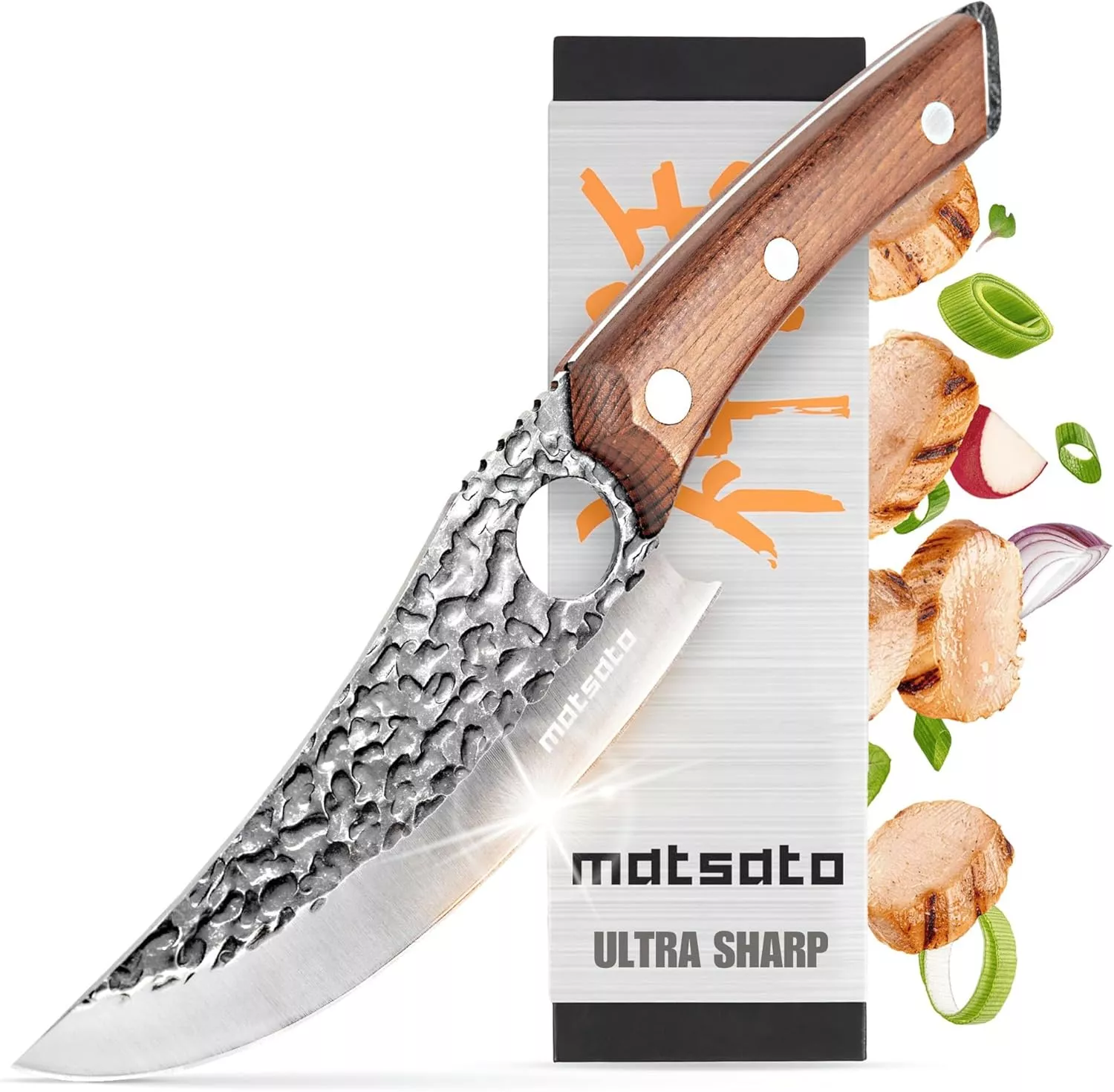
- Stays Razor-Sharp: Ice-hardened blade keeps its edge longer than ordinary knives
- Superior Grip Control: Unique finger hole design gives you perfect balance and safety
- Built to Last a Lifetime: Premium stainless steel blade with elegant beech wood handle
- ✓ Finally, a knife that stays sharp and feels comfortable in my hand
- ✓ Professional quality without the premium price tag
- ✓ Makes meal prep faster and more enjoyable
⏰ Only a few items left in stock - order soon
Easy to Customize: One of the best things about making fresh spring rolls is how versatile they are; swap in your favorite veggies or add a spicy kick with chili. I’ve tailored them for picky eaters and vegan friends alike, and they always turn out fantastic. You’ll love how quickly you can adapt this recipe to what’s on hand—it’s forgiving and fun!
Vibrant Flavors in Every Bite: These fresh spring rolls explode with fresh herbs like mint and basil, paired with a tangy peanut dipping sauce that ties everything together. The contrast of textures—crisp, soft, and chewy—keeps things exciting. What I find interesting is how such simple ingredients create such a sophisticated taste; it’s restaurant-quality at home.
Impress Without the Stress: Hosting? Whip up a platter of fresh spring rolls and watch the compliments roll in—they look gorgeous and take minimal effort. No oven or stove required, so your kitchen stays cool. Let’s be honest, in a world of complicated recipes, this one’s a breath of fresh air that anyone can master.
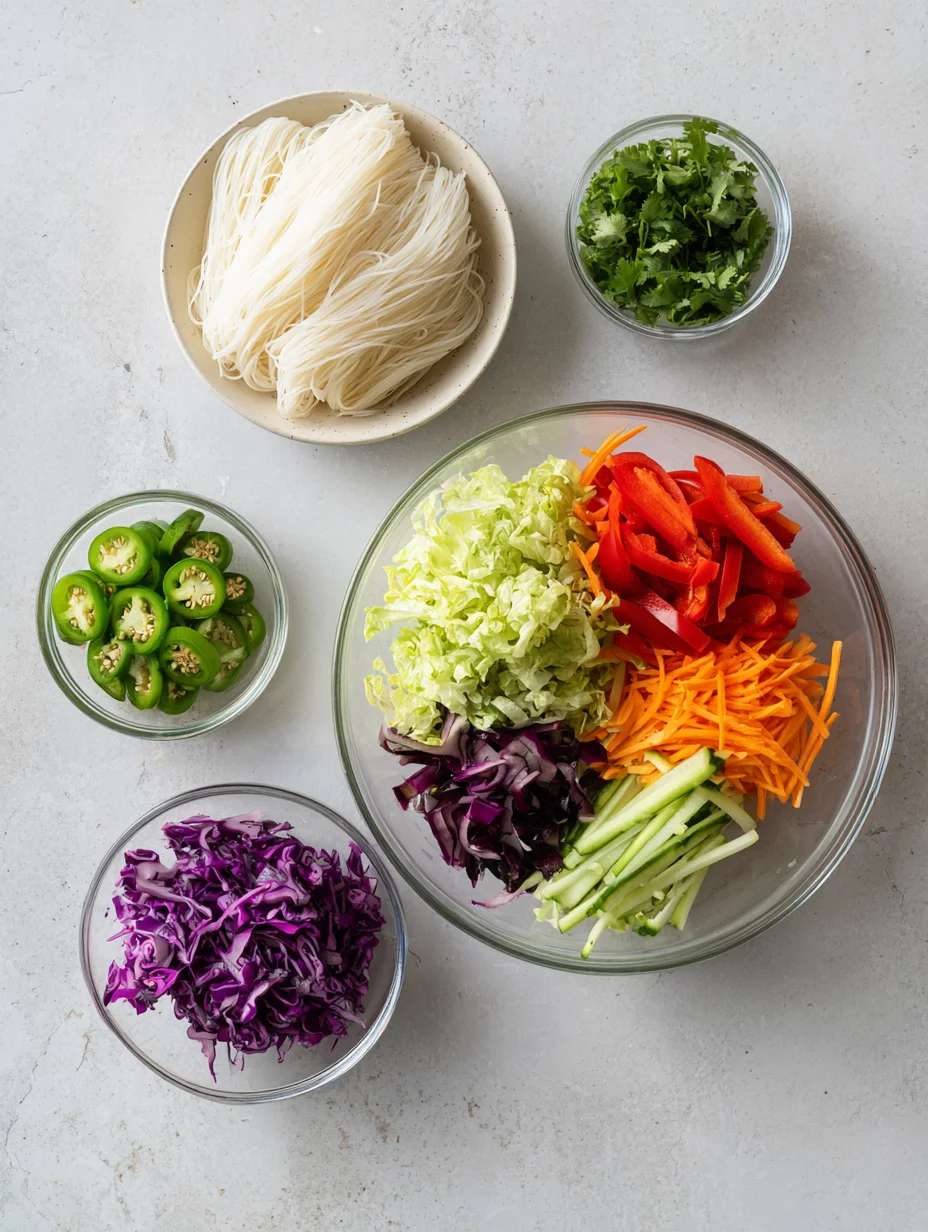
Essential Ingredients for Fresh Spring Rolls
Rice Paper Wrappers: These thin, translucent sheets are the foundation of fresh spring rolls, providing that signature chewy yet delicate texture. Made from rice flour, they soften when dipped in warm water, making rolling a breeze. I always recommend getting the 8-inch ones for appetizers—they hold the fillings securely without tearing. In fresh spring rolls, they let all the vibrant ingredients shine through visually and texturally.
Fresh Vegetables: Crisp elements like shredded carrots, cucumber strips, and lettuce add crunch and color to your fresh spring rolls. They’re not just for aesthetics; veggies bring natural sweetness and hydration that balances richer fillings. Choose seasonal produce for the best flavor—I’ve found that julienned bell peppers add a lovely pop of sweetness too. These keep the rolls light and refreshing every time.
Herbs and Protein: A mix of mint, cilantro, and basil infuses fresh spring rolls with aromatic freshness that elevates the whole dish. Pair them with cooked shrimp, tofu, or vermicelli noodles for substance. In my experience, the herbs cut through any heaviness, making each bite incredibly bright. For these fresh spring rolls, fresh protein ensures they’re satisfying without being overpowering.
How to Make Fresh Spring Rolls
Prepare Your Fillings
Start by gathering and prepping all your ingredients to make assembling fresh spring rolls smooth and efficient. Cook the vermicelli noodles according to package instructions, then rinse under cold water and toss with a bit of sesame oil to prevent sticking— this step keeps everything manageable. Shred the carrots, slice the cucumbers into thin matchsticks, and tear the lettuce leaves into manageable pieces. Don’t forget to devein and poach the shrimp if using; they’ll add that pop of pink color. Arrange everything in bowls assembly-line style on your workspace. In my experience, having everything ready cuts down on frustration when rolling fresh spring rolls.
Soak and Fill the Rice Paper
Dip a rice paper wrapper into a shallow bowl of warm water for about 10-15 seconds until it’s pliable but not too soggy—think soft like a damp napkin. Lay it flat on a clean, damp kitchen towel to absorb excess moisture; this prevents sticking and tearing. Place 2-3 shrimp in the center bottom third, followed by a small handful of noodles, veggies, and herbs, leaving space on the sides for folding. The key here is less is more; overfilling leads to messy breaks. As you build, the scents of fresh herbs will fill your kitchen, making the process even more enjoyable. Timing is crucial—work quickly before the wrapper dries out.
Roll and Serve Your Creations
Tuck in the sides of the rice paper over the filling, then roll it up tightly from the bottom like a burrito, using your fingers to keep everything snug. The first fresh spring roll might take practice, but soon you’ll get the hang of it and produce uniform, beautiful rolls. Once rolled, place them seam-side down on a platter and cover with a damp cloth to keep them from drying. Slice in half diagonally for an elegant presentation if desired. These fresh spring rolls are best enjoyed immediately, dipped in your favorite sauce for that perfect crunch and flavor burst.
Ingredients
- 12 rice paper wrappers (8-inch size)
- 1 cup cooked vermicelli rice noodles, rinsed and drained
- 12 medium shrimp, cooked, peeled, and deveined (or substitute with tofu for vegan option)
- 1 cup shredded carrots
- 1 cup thinly sliced cucumber
- 1 cup romaine lettuce leaves, torn
- 1/2 cup fresh mint leaves
- 1/2 cup fresh cilantro leaves
- 1/2 cup fresh basil leaves
- For the peanut dipping sauce: 1/4 cup peanut butter, 2 tbsp hoisin sauce, 1 tbsp soy sauce, 1 tsp lime juice, water to thin
Fresh Spring Rolls Instructions
- Prepare all fillings: Cook and cool noodles, chop vegetables, and arrange with herbs.
- Fill a wide shallow bowl with warm water. Dip one rice paper wrapper at a time for 10-15 seconds until softened.
- Place wrapper on a damp surface. Add 2-3 shrimp at the bottom center, then layer noodles, veggies, and herbs on top.
- Fold in the sides, then roll tightly from the bottom, sealing the edge. Repeat with remaining wrappers.
- Serve immediately with peanut dipping sauce. Makes 12 fresh spring rolls.
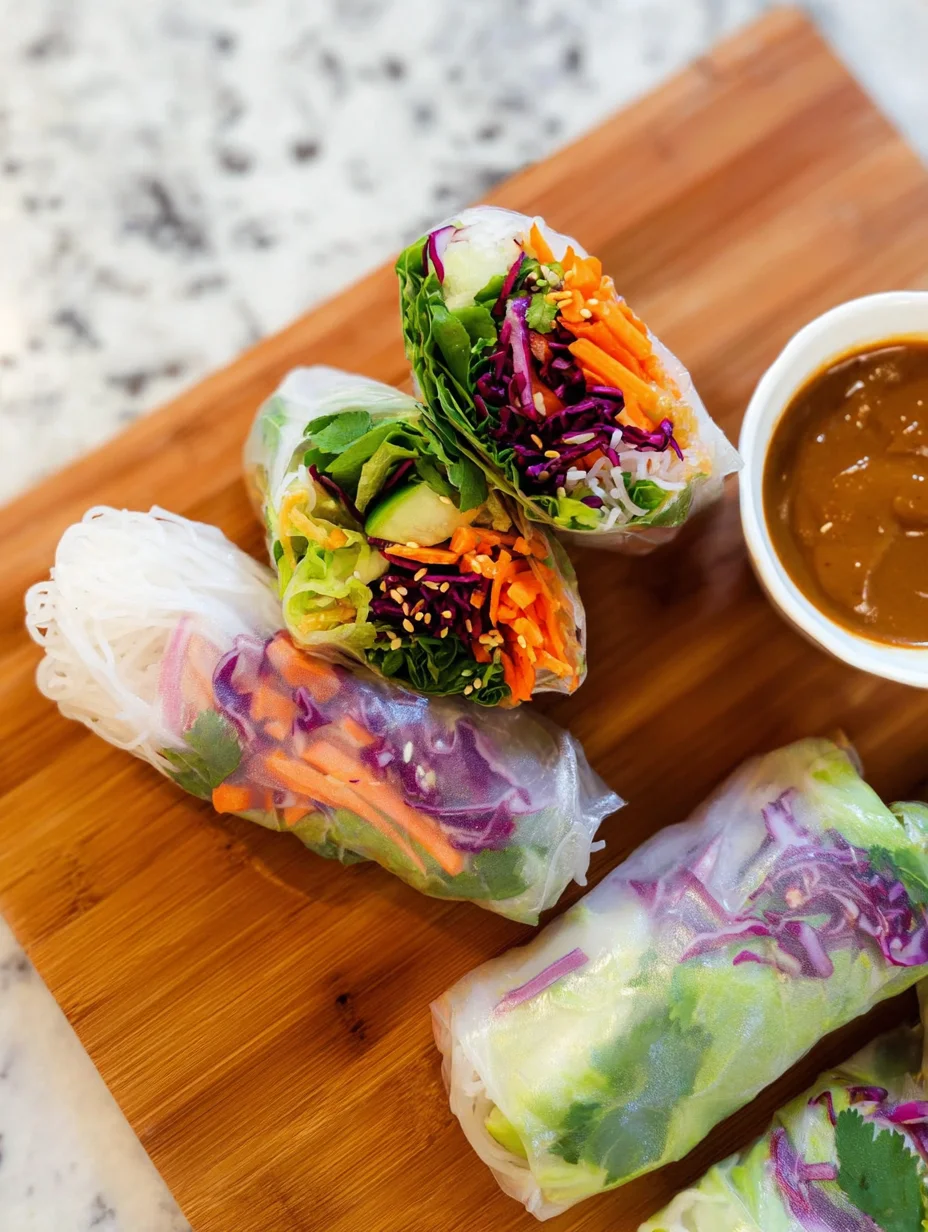
Pro Tips for the Best Fresh Spring Rolls
Water Temperature Matters: Use warm, not hot, water for soaking wrappers—it softens them evenly without making them too fragile.
Layer Strategically: Place heavier items like shrimp first, then lighter veggies, to ensure even distribution and prevent tearing.
Practice Makes Perfect: Your first roll might not be perfect, but by the third, you’ll have the technique down for flawless fresh spring rolls.
Grab This Kitchen Scale Now — Best Precision Pick!
- Razor-Accurate Every Time: Dual-increment precision down to 0.1g — perfect for baking, meal prep, and portion control with g, oz, ml, and fl'oz modes.
- Smart Removable Bowl Design: Detachable bowl doubles as a protective case for compact storage. Tare function lets you weigh ingredients in any container with zero fuss.
- Built for Everyday Convenience: Auto-zero, tare function, low battery alert, overload indicator, and 2-minute auto-off to extend battery life — all in a sleek stainless steel build.
- ✓ "Perfect for baking — precise, lightweight, and stores easily without wasting counter space"
- ✓ "A game changer! Weighing ingredients is now way more accurate than measuring cups"
- ✓ "Love the 0.1g precision and backlight — best food scale I've owned. Highly recommend!"
⏰ Only a few items left in stock - order soon
You Must Know
- Fresh spring rolls are best eaten fresh, as rice paper can harden over time.
- They are naturally gluten-free, but always check labels on wrappers and sauces.
- Use room-temperature fillings to make rolling easier and avoid condensation issues.
- Peanut sauce can be made ahead and stored for up to a week in the fridge.
How to Store Fresh Spring Rolls
To keep your fresh spring rolls tasting great, wrap them individually in plastic wrap and store in an airtight container in the fridge for up to 2 days. Avoid stacking them directly, as the rice paper can stick and tear when separated. For reheating, a quick steam or microwave for 10 seconds revives the texture without sogginess—though honestly, they’re best straight from the assembly line. If making ahead, prepare fillings separately and roll just before serving to maintain that crispness.
Customizing Your Fresh Spring Rolls
Feel free to swap proteins like using grilled chicken instead of shrimp or going fully vegan with avocado for creaminess in your fresh spring rolls. For a spicy twist, add sliced jalapeños or sriracha to the dipping sauce—I’ve done this for game nights and it always gets rave reviews. Experiment with fruits like mango for a sweet contrast that pairs beautifully with the herbs. These variations keep things exciting while staying true to the essence of fresh spring rolls. Check out our rainbow spring rolls recipe for more colorful ideas.
What to Serve with Fresh Spring Rolls
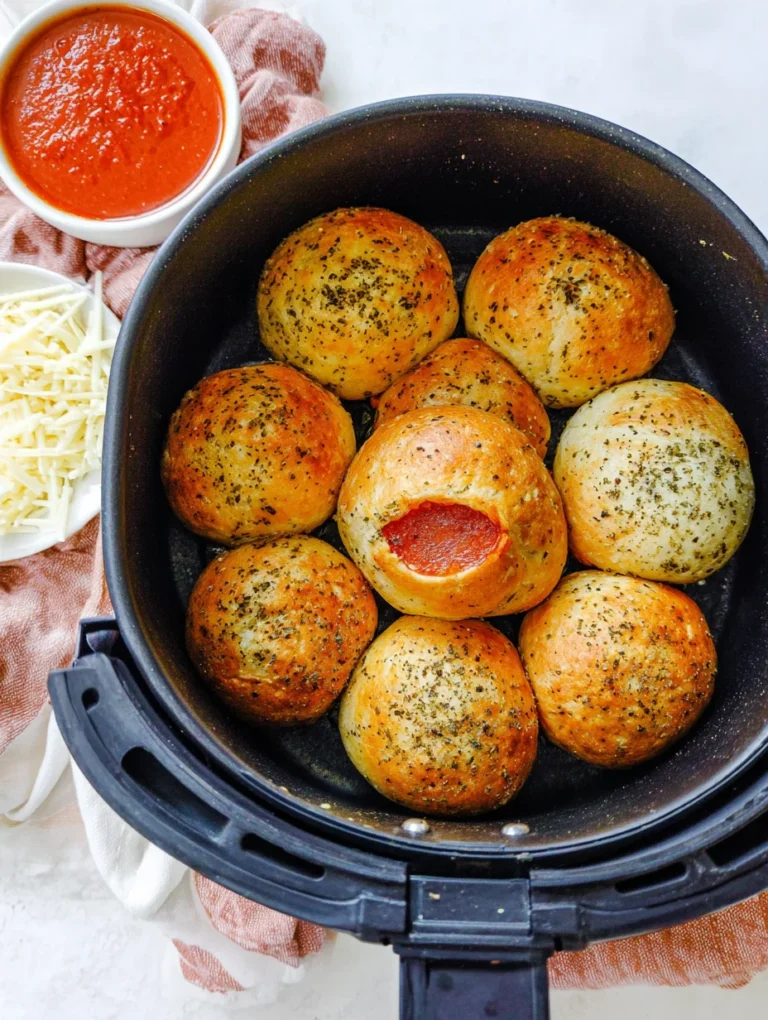
Pair your fresh spring rolls with a light miso soup or a crisp Asian slaw for a complete meal that stays refreshing. For something heartier, try them alongside grilled satay skewers—the peanut sauce doubles as a dip for both. Don’t overlook beverages; iced green tea or a fizzy lemongrass soda cuts through the herbs perfectly. If you’re in the mood for bread, serve with our cheesy garlic bread for a fusion twist that surprisingly works. These combos make entertaining effortless and delicious.
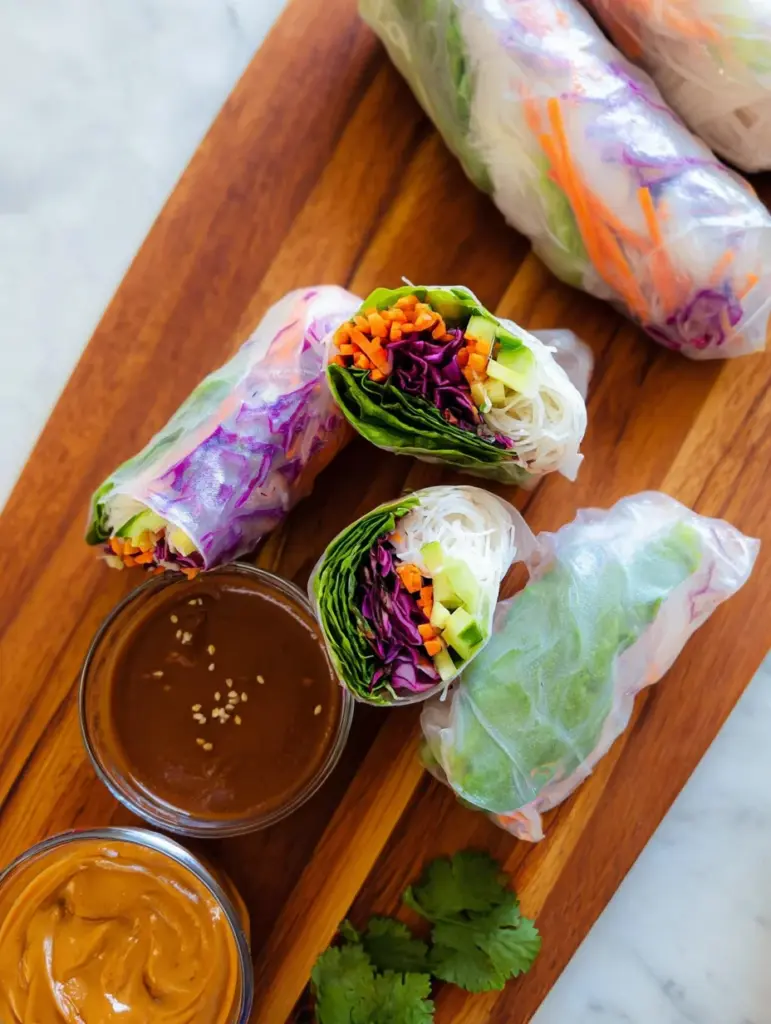
Fresh Spring Rolls with Peanut Sauce
These Vietnamese spring rolls are fresh, not fried! They're the perfect party appetizer or light meal. The peanut sauce sends them over the top. Recipe yields 8 spring rolls.
Timing
Recipe Details
Ingredients
- 01 2 oz rice vermicelli or maifun brown rice noodles (*)
- 02 1 tsp toasted sesame oil
- 03 1/4 tsp fine sea salt
- 04 1 cup torn butter lettuce, ribs removed
- 05 1 cup very thinly sliced red cabbage
- 06 2 medium carrots, peeled and cut into matchsticks or sliced into strips with a julienne peeler
- 07 2 Persian (mini) cucumbers or 1 small cucumber, thinly sliced or sliced into strips with a julienne peeler
- 08 2 medium jalapeños, ribs and seeds removed, thinly sliced
- 09 1/4 cup thinly sliced green onions
- 10 1/4 cup roughly chopped fresh cilantro
- 11 1/4 cup roughly chopped fresh mint
- 12 8 sheets rice paper (spring roll wrappers)
- 13 1/3 cup creamy peanut butter
- 14 2 tbsp rice vinegar
- 15 2 tbsp reduced-sodium tamari or soy sauce
- 16 2 tbsp honey or maple syrup
- 17 1 tbsp toasted sesame oil
- 18 2 cloves garlic, pressed or minced
- 19 2 to 3 tbsp water, as needed
Instructions
To make the spring rolls: Bring a pot of water to boil and cook the noodles just until al dente, according to package directions. Drain, rinse them under cool water, and return them to the pot. Off the heat, toss the noodles with the sesame oil and salt, and set aside.
Fill a shallow pan (a pie pan or 9″ round cake pan works great) with an inch of water. Fold a lint-free tea towel in half and place it next to the dish. Make sure your prepared fillings are within reach. Combine the green onion, cilantro and mint in a small bowl, and stir.
Place one rice paper in the water and let it rest for about 20 seconds, give or take. You’ll learn to go by feel here—wait until the sheet is pliable but not super floppy. Carefully lay it flat on the towel.
Leaving about 1 inch of open rice paper around the edges, cover the lower third of the paper with a few pieces of butter lettuce, followed by a small handful of rice noodles, some cabbage, and a few strips of carrot, cucumber and jalapeño. Sprinkle generously with the herb mix.
Fold the lower edge up over the fillings, rolling upward just until the filling is compactly enclosed. Fold over the short sides like you would to make a burrito. Lastly, roll it up. Repeat with the remaining ingredients.
To make the peanut sauce: In a small bowl, whisk together the peanut butter, rice vinegar, tamari, honey, sesame oil, and garlic. Whisk in 2 to 3 tablespoons water, as needed to make a super creamy but dip-able sauce.
Serve the spring rolls with peanut sauce on the side. You can serve them whole, or sliced in half on the diagonal with a sharp chef’s knife.
FILED UNDER:
NUTRITION FACTS (PER SERVING)
Nutrition information is calculated using an ingredient database and should be considered an estimate. In cases where multiple ingredient alternatives are given, the first listed is calculated for nutrition. Garnishes and optional ingredients are not included.
Frequently Asked Questions About Fresh Spring Rolls
Can I make Fresh Spring Rolls ahead of time?
Yes, you can prep the fillings a few hours in advance and store them separately, but roll the fresh spring rolls just before serving to keep them from drying out. If needed, assembled ones last up to 4 hours covered in the fridge. In my experience, they’re worth the last-minute effort for maximum freshness.
How long does Fresh Spring Rolls last in the fridge?
Fresh spring rolls can be stored in the fridge for 1-2 days when wrapped tightly, but the rice paper might firm up slightly. Refresh them by dipping briefly in warm water before eating. Avoid freezing, as it ruins the texture completely.
Are Fresh Spring Rolls gluten-free?
Absolutely, traditional fresh spring rolls use rice paper wrappers that are naturally gluten-free. Just double-check your soy or hoisin sauce for hidden gluten. We’ve got a vegan version in our Zaalouk dip that pairs well if you’re adapting.
What if I can’t find rice paper wrappers?
No worries—try lettuce leaves for a low-carb wrap or even thin flour tortillas as a substitute, though they won’t be traditional fresh spring rolls. Experiment in small batches to see what works best for your taste. It’s all about the fun fillings anyway.
Can I bake Fresh Spring Rolls instead of eating them raw?
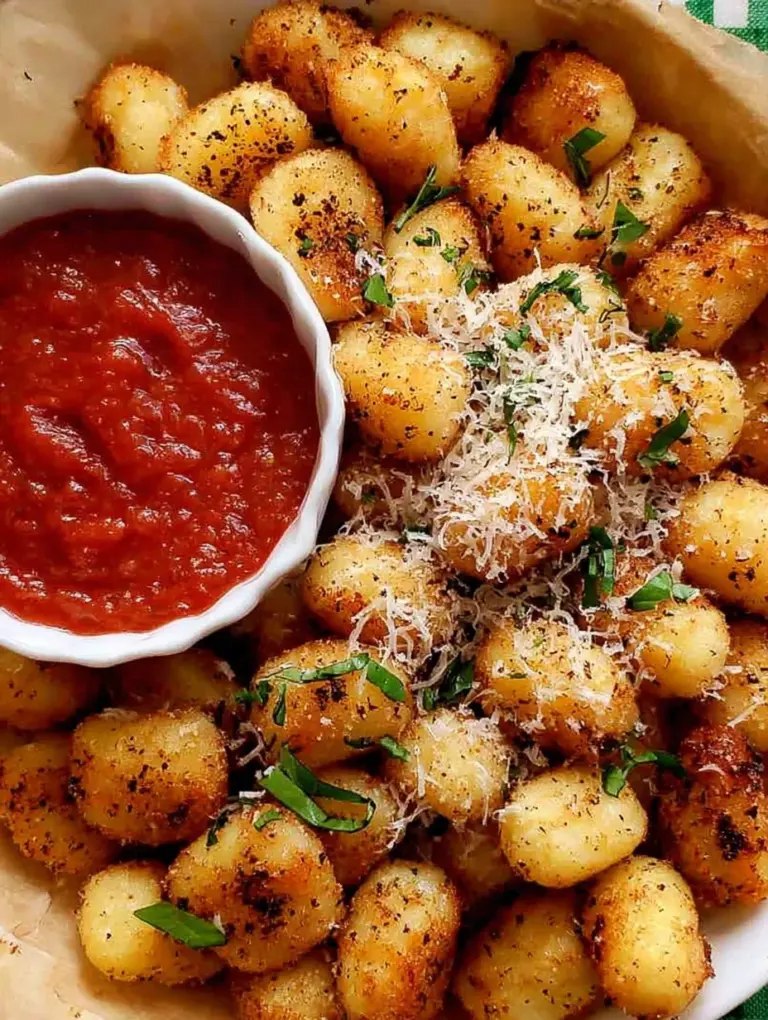
While fresh spring rolls are meant to be uncooked, you can lightly bake assembled ones at 350°F for 10 minutes to warm them up. This makes the wrappers slightly crispier without deep-frying. For a crunchier alternative, check our air fryer gnocchi for inspiration on textures.
How do I prevent Fresh Spring Rolls from tearing?
The trick is not to over-soak the rice paper—just 10-15 seconds in warm water does it, and use a damp towel as your surface. Practice with one or two first, as your fresh spring rolls will improve quickly. Less filling also helps avoid splits.
What’s the best dipping sauce for Fresh Spring Rolls?
Peanut sauce is a classic—creamy, nutty, and a bit sweet—but hoisin or nuoc cham work great too. Mix it up based on your fillings; for these fresh spring rolls, a ginger-infused version adds zing. Homemade is always fresher and adjustable to your spice level.
Can kids help make Fresh Spring Rolls?
Definitely! Let little ones prep the veggies or add herbs—it’s a great hands-on activity that teaches knife skills safely. Just supervise the soaking part to avoid slips. My nieces love customizing their own fresh spring rolls this way.
Final Thoughts
From the first vibrant roll to the last dipping sauce-drenched bite, these fresh spring rolls have a way of brightening any occasion with their fresh, wholesome appeal. I’ve shared this recipe because it’s become a staple in my home, bringing people together over simple, delicious food. Give it a try this weekend—you won’t regret adding these easy fresh spring rolls to your repertoire. Tag me in your creations; I’d love to see how you make them your own!